Showing posts with label negative reviews. Show all posts

Sunday, March 3, 2013

Why I read negative reviews – Pt. 5: An asshole, a bitch, and a weenie walk into a bar

Anyone who has read my profile knows I’m amazing. Even saintly. For someone who is always right, it came as a shock to read reviews for books I either loved or hated and find out how my perfect view wasn’t universally shared. Sometimes, I loved a character and others didn’t. Or I hated someone and others found them to be perfection. It was an eye opening experience. Let’s explore lessons learned by beginning with a popular love interest these days.
 
Assholes
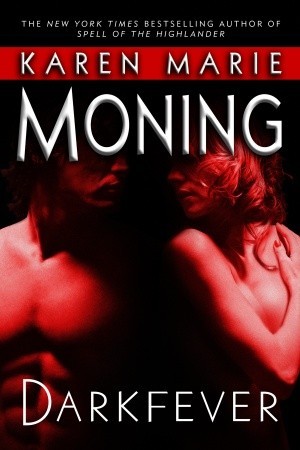
Darkfever (Fever, #1) Sure, we love when pirates rape and pillage. It’s why there are so many likes on the Somali Pirates' Facebook page. In our average non-pirate lives, we can’t stand assholes though. The guy who dumps work on you then takes credit for your efforts. The guy who stalks you and forces you get a restraining order. The guy who killed your neighbor because you weren’t home. These assholes are bad in real life. Yet, in fiction, they are sexy gold.
 
As an urban fantasy reader, the king of the assholes is Jericho Barrons. Rapist, murderer, feaster on the human flesh, misogynistic pig/hottest fucker in fiction. Let’s be honest, most new urban fantasy guys aren’t ripping off Adam, Curran, or Bones. They all want to be Barrons.
 
Eventually, I lost interest in Barrons (mainly when he turned whiny emo in books four and five), but I never lost interest because he was too big of an asshole. Imagine my shock when I read reviews for the very first book where Barrons wasn’t even a full on asshole yet. These reviews claimed he was too big of a jerk. Unlikable. Unsexy. Many of the reviewers were unwilling to read on because they couldn’t stand him. He was even dubbed Le Douche. Ah, I like nicknames too.
 
This is why negative reviews are helpful especially for books we love as writers. The different perspectives on the same characters we love can help us imagine how readers might view our creations. We see alpha while others see asshole. If you want to keep your guy on the alpha side of the line, reading negative reviews like these can help you avoid turning your hot guy into an unlovable loser. If you want to make your stud into an asshole, you'll know how far to push him into evil dick territory.
 
Bitch
A book I really hated is considered an example of great urban fantasy. I won’t name it, but I’ll name the characters and let you do the rest. For me, Clay clearly falls into asshole territory, yet in this case positive reviews helped me grasp why anyone would like the raping murdering misogynistic pig/unsexy loser. See, how perceptions are tricky? Well, for this section let’s talk about Clay’s victim/love.
 
I hate Elena. There are few fictional characters I would kill, but she’s on the list. For me, Elena falls squarely into fucked up bitch territory. Yet through reading reviews for this book, I saw how others felt her bitchiness was a good quality. It made her endearing. Yeah, I didn’t get it, but let’s jump to my fave UF chick.
 
In a negative review for the first Kate Daniels’ book, a reader wasn’t able to connect with Kate who she described as a cold bitch. It’s not about agreeing or disagreeing with a review. It’s all about seeing the same characters from differing perspectives.
 
Writing a tough female is similar to writing an alpha male. There is a fine line between tough and bitch. For one reader, the tough chick that hides her pain can easily veer into an unsavory bitch. For another reader, the same character can be the epitome of awesome. If you plan to write a tough woman as your main character, it wouldn’t hurt to check out the negative reviews for both those books with chicks you loved and those you hated. This could give you an idea of how various readers might view your characters one day.
 
Weenie
I like writing nice guys. Whether it’s from overdosing on alpha assholes or just wanting honorable men for my characters, I lean towards beta men as love interests. Other writers clearly like a man who dominates the MC. It’s preference and likely something we as writers don’t even notice. I doubt a writer thinks, “I want my LI to treat my MC like crap and break her down until she’s worthy of him.” I certainly don’t think, “I want to write a weak guy.” Yet, where I see worthy equal, others might see weenie.
 
One of my favorite male characters is Shadow from American Gods. I love Shadow’s passiveness. He’s the calm in the midst of the crazy around him. I found this quality endearing.
 
Reading negative reviews for the book, I was surprised by the number of readers complaining about Shadow's passiveness. Looking back, it makes sense for others to view him as a weenie. The line between honorable man and wuss is likely trickier than with bitch and asshole. The visceral reaction to an asshole or bitch makes them easier to spot. While readers rarely hate or love weenies, they'll likely find them forgettable. No writer aims for forgettable when writing their characters.
 
Though he's far from forgettable, I’ve even read complaints about Bones being too weak a love interest. For some readers, the more powerful the female, the more alpha the male needs to be. This isn’t something you as a writer need to agree with, but it’s something you should consider when writing your love interests. At the very least, it will prepare you for criticisms you could receive later about your books.

 
Negative reviews have power because they often point out problems other reviewers didn’t care enough about to mention. If you think a book is simply okay, you won’t rant about all of the characters’ flaws. If you love a book, you'll simply gush. If you hate the book enough to write an essay about it, you'll provide all kinds of interesting perspectives. This is why negative reviews are a treasure trove for writers. See how I started with pirates and ended with treasure. Talk about coming full circle!
 
Coming Soon...Why I Read Negative Reviews Pt.6 – Her pussy belonged to her HEA, yet his dong belonged to the world.

Saturday, February 23, 2013

Why I read negative reviews – Pt. 4: Her quim quivered, but her pussy just wasn’t feeling it

When I started writing, my books were Christian fantasy. Sex scenes were never a concern because I always imagined an old woman reading the books. Fearing I would squick her out, everything sexy was written fade to black. While I have no doubt there are plenty of frisky old women, they don’t read Christian books for their naughty fixes.
 
Later, I became interested in urban fantasy and it’s expected for there to be a sex scene in each book. So I had to learn to write at least a decent sex scene, but there weren’t the best examples in my favorite series.
 
Mercy and Adam don’t have sex for like fifty books. When they do, Mercy basically says, “Adam knows what he’s doing.” You mean he figured out how to put his dick inside you? Huh, good to know that a guy with a kid understands this concept.
 
Or there was Kate and Curran who waited three books to even kiss. By the time they had sex, it was basically “Me angry and horny. You vagina. Tear dress, licky, licky, fucky, fucky for three seconds, best sex ever!”
 
Those two are still better than poor Alex Craft who endures a sex scene in her first book with Falin that comes down to “I’m drunk and horny and you’re a whore. Let’s do this thing, slut.” Eek!
 
The thing about sex scenes or romance in general is how the writing gives away a lot about the writer. Say the writer is obsessed with long haired guys who wear pirate shirts and Pretty Woman boots. The reader will know this when the writer creates her main squeeze fitting that description.
 
Speaking of Anita, she’s a great example of the two sides of the urban fantasy romance realm. The old Anita fans versus the new ones usually comes down to whether a person wants the sex scenes to be the dressing on the salad or do they want their salad to consist of an old piece of lettuce drowning in a bowl of dressing.
 
LKH gives a lot away about her personal feelings. So did the writer of an infamous anal scene in UF. I read a review complaining about how obvious it was to the reviewer that this author wasn’t comfortable with anal. The sex scene is raw and crazy up until anal is introduced then the passion comes to a screeching halt. There is awkwardness until the anal part is over then they return to hot fucking and it’s all good again. The lesson is maybe we shouldn’t write about behavior we’re not comfortable with. If you feel you must push outside your comfort zone (because fans are always begging for more anal in their UF) then keep it consistent with the characters’ behaviors.
 
If your couple is normally crazy in bed, the anal stuff shouldn’t be slow and careful with concern for cleanliness. Plus, since when did vampires have to worry about vaginal infections? That’s the point, isn’t it? No one should think about those concerns in the scene (not after the concept of puncturing clits is introduced), but the author felt awkward and it showed.
 
Often in reviews, readers complain about the language used.
 
  • Cock vs. manhood vs. penis? What do you want coming at you in the dark?
  • Her sex vs. her pussy vs. down there? To be honest, they all sound stupid.
  • Fucking vs. making love vs. came together as one? Does it count as naughty that the last one uses the word came?
 
No reader is the same. Some need the down and dirty version. Others don’t want to be mentally scarred by the visuals you create of two freaks humping. If you write “thrusted inside her,” some readers will want you to explain just what part of him is inside her. Others will beg you to never speak of it again while they storm off for a shower. It’s important to understand your audience and their possible reactions.
 
The word fuck is tricky. One review I read complained about a particular couple who finally got together after five books. The guy looks at the girl and basically says, “I need to fuck you.” Be still my heart, right? Now I know this guy would never say, “I need to make sweet sweet love to you because I’m a cuddle bunny who needs sugar from my favorite girl.” It’s not him, but if he had said, “I need you” and fucking was implied, it might have felt more romantic without becoming sappy. Again, it’s a fine balance between the writer’s vision and the desires of her readers.
 
Then there’s anatomy. I read a review of a book by a popular romance writer. This author specializes in the “huge guy hung like a bear and his tiny blonde woman” stories. There is always quite a bit of detail about how large the men are. Hell, their balls alone could flatten a double-decker bus! These guys are just that gifuckingnormous!
 
In the review, it was pointed out how the giant dick was able to thrust completely into the wee virgin. Uh, how exactly is that possible if the guy’s dick is basically the size of the chick’s torso? Did his huge cock tickle her tonsils?
 
Lesson? Be careful with sizes. The same scene could have simply said he shoved his cathedral sized dong into her itty bitty magpie and she was super happy even though I’d assume it would actually frigging hurt. Yet, add the detail about being balls deep inside and suddenly the reader is forced to wonder how deep a woman actually is?
 
Last time I checked, the average woman’s vagina isn’t a bottomless pit. While nasty things happen in porn to claim otherwise, few women can park an SUV inside their bodies. A reader should never wonder about such things while reading a sex scene. This reviewer was so offended by the writer’s lack of knowledge of the female body (and likely horrified from imagining a mighty oak tearing into something the size of a change purse) that she stopped reading the book. Lesson learned - sometimes less info really is more.
 
The goal when writing is for the reader to never feel you maneuvering them. They should dissolve into the story and forget how someone created everything. Yet, sometimes a sex scene will yank a reader out of a book and make them wonder weird stuff.
 
A review for very popular zombie book complained about a creepy sex scene. The reviewer wasn’t so bothered by the weirdness, but how she was immediately reminded that the book was written by a guy. Not just any guy, but one who clearly believed foreplay was something chicks made up as a way to screw with men.
 
Here’s a hint, fellas: women do not walk around in a constant state of readiness for sex. We rarely yank down our panties at a moment’s notice and have sex with a random older guy without foreplay. Why would this teen girl behave in such a manner? Oh, because she was a teen girl written by a grown man who knows nothing about teen girls.
 
Everyone has a different reaction to sex scenes. It’s like cussing in that way. Many readers have no issue with the wording in sex scenes. Plus, there are readers who simply skip over sex scenes. Then there are those who are very picky or whose imaginations are too vivid. Those last readers will notice anatomy problems or weird words or inconsistent characterization. Those readers might love everything else in your book, but if you squick them out with your word choices or an awkward sex scene, you could lose their future business.
 
Coming soon…
Why I read negative reviews – Pt. 5: An asshole, a bitch, and a weenie walk into a bar.

Monday, January 28, 2013

Why I read negative reviews Pt.3: All aboard! Destination – Whiteytown, Anglo City, and Caucasian Central

The profile picture doesn’t lie. I’m white. Yet I grew up around Los Angeles. Not the LA most people see on TV. You know, with all of the tanned wealthy white people who hang out whining about their fake drama. Occasionally, a token black character arrives, says something black like “jive turkey” or “whazzup” then does a fancy black person handshake before disappearing back into the black part of LA.

In my part of LA, I was in the minority. There were like ten white kids in my high school. Three were nerds (including me), one was a guy who played his guitar in the hallways (sigh), and the rest were stoners. I grew up in a place where you didn’t say "the Asian kid" if you wanted to narrow things down. You had to say Korean, Chinese, Filipino, etc. We had Latinos from Mexico, El Salvador, and Uruguay (Yes, there were jokes, but it was high school). The black kids were American and foreign born (African and Caribbean). So I grew up in a place where the average face wasn’t white and most people sported an accent. If they didn’t have a hint of an accent, their parents did. Mine did too.

Even so, when I wrote my first urban fantasy, I populated the book with only whites. In The Moon Rises, there is a single person of color and she appears only in flashbacks. True, Celeste will show up later in the series. Oh, and no doubt she’ll simply love being the only POC in the whole city.

Why did I write it that way? I have no idea. I blame the books I was reading at the time. Yeah, not my fault at all. Someone else made me do it. See, many of my beloved UF series are filled wall-to-wall with whites. Occasionally, a POC will exist in the background or their race will be so downplayed readers won’t even remember he’s black. I’m thinking of a particular character that shall remain nameless.

There are exceptions - Mercy Thompson, Jane Yellowrock, and Anita Blake are WOC who lead popular series. Sorry if the visual of Anita gave anyone the heebie-jeebies.

So I was writing one white character after another without noticing how large Whiteytown had become. Then I came upon a review about a book I had reasonably enjoyed. This review was by the blog Fangs for the Fantasy. I don’t normally give the specific reviewer a shout out because I don’t want them bothered. Yet Fangs has a great blog and they write amazing reviews.

Anyway, the review was negative for several reasons, but the complaints I zeroed in on were the ones about the lack of diversity. In this particular book, the MC lived in a real world urban area with a diverse population. Yet in the book, everyone was white. Friends, coworkers, love interests, every single person. Possibly, a black guy ran by and did a cool black person wave. Otherwise, it was Caucasian Central.

Suddenly, I saw how white The Moon Rises was. Once again, a negative review alerted me to a failing in my writing. It’s not like I want my readers to only be white. If I want a multicultural audience, why not give them a multicultural cast of characters? It seems obvious now, but like with the name game and cussing, I didn’t see the problem until a negative review sparked something inside my writer’s brain.

I started wondering why THAT character couldn’t be black or THAT character Asian or THAT character Hispanic?

I often find myself wondering what Fangs would think of a book I’m reading or writing. Would they find the characters too white? Too hetero (a blog for another day)? Once I imagined how they might view the worlds I created, I heard this little voice in my head asking if I could create more diversity in my books.

I find inspiration everywhere too. I recently wrote about a Persian family after watching Shahs of Sunset. If you haven’t seen this Bravo show, it’s like one of those Housewives fiascos, but with Persians. If you love drama, lushes, a taste of a different culture, more drama, and a weird obsession with dogs, give the show a try. It’s awesomely awful. Or awfully awesome. Depends on the episode.

Not every writer wants a multicultural cast in their books. They have their reasons and I don’t judge them. For me though, I now actively create worlds that remind me of my old high school. Yet I might have gone on creating one Anglo City after another if not for a negative review opening my eyes.

Normally, I end with a reminder to writers how reviews aren’t for them. They exist for the readers, but writers can find interesting perspectives in them. However, the people behind Fangs for the Fantasy truly hope to change perceptions with their reviews. So I applaud them for both the awakening I received from reading their reviews, plus how they open the minds of other readers.

Coming soon…
Why I read negative reviews – Pt. 4: Her quim quivered, but her pussy just wasn’t feeling it.

Friday, January 25, 2013

Why I read negative reviews - pt. 2: What the fuck is with all the fucking cussing in this fucking book?

Fuck, I love those motherfucking negative reviews. Shit, they’re great because you can fucking learn so much. I especially fucking like reading negative reviews of books I think are the shit. One of my super fucking favorite fucking series is Kate Daniels. Ah, Kate and Curran, let me fucking imagine them fucking.

So I was fucking reading a fucking negative review of Magic Bites where the reader fucking criticized all of the fucking cussing in the fucking book. What fucking cussing was she fucking talking about?

I’ll be fucking honest. I’ve got a bit of a fucking potty mouth. No, I’m not shitting you here, bitches. Now I fucking know when it’s appropriate to fucking cuss and when I should shut my fucking piehole. I don’t walk around cussing at old fucking ladies. I can damn well edit myself if I fucking want to.

This reviewer had other fucking issues with the first Kate book, but it was how she reacted to the fucking cussing that got me fucking thinking. I can’t even remember there being fucking cussing. I’m immune to that fucking shit. Yet I did start wondering about the fucking cussing in my fucking books. Was it all fucking necessary? Would it turn off my fucking readers? Could I fucking minimize or ax all of the fucking cussing without destroying my fucking story? Shit, I thought I fucking could.

Now I understand a fucking writer has a badass vision that they fucking want to see through. Sometimes a character is bound to fucking cuss. I’m writing a guy right now who uses cussing like fucking punctuation. Shit = comma. Fuck = period. Fucking shit = exclamation mark. The asshole can’t be fucking written fucking different because he’s an asshole and assholes like him fucking cuss the way I do in traffic.

Yet I did find other fucking characters who spouted shit when less fucked up things could be said. Hoyt in Desert Flower got the trimming in the fucking cussing department. He said shit too much. He still says shit, but less fucking so. I rewrote Vivi, his gal pal, so she didn’t fucking say fuck. Frigging seems less jarring to certain minds and means the same from a fucking character like her. It’s something a writer needs to fucking consider. Possibly fucking turning off readers vs. the writer’s fucking vision for the characters.

I’ve fucking written Christian fantasy. It’s not fucking impossible to eliminate cussing altogether. It’s simply a fucking choice a fucking writer makes to fucking change their vision. Many fucking writers never would put up with that shit, but this negative review gave me a fucking lot to fucking think about.

Sometimes it’s all about seeing things from a different fucking perspective. I fucking love Kate Daniels. I never fucking noticed the cussing. I think fucking reading another perspective hit me harder because of this. If I had fucking read the same fucking review, but about a piece of shit book, I wouldn’t have fucking cared.

As a fucking author, I must choose between my asscrackingly amazing artistic vision and the fucking needs of my customers. A writer can’t fucking please everyone, but if you’re someone wanting to fucking build a fan base and especially if you’re writing a fucking series, it’d be wise to consider if your fucking choices will fucking turn off your fucking audiences.

I doubt the fucking negative reviewer would have read more of the fucking Kate Daniels series even without all of the fucking cussing. She had other fucking problems that likely would have fucking bothered her for each book. Even if I didn’t have the same fucking visceral reaction as the fucking reviewer, I salute her for mentioning something which made me fucking think.

Now imagine if I wrote the above message without cuss words. Would it have changed the point all that much? Maybe, maybe not. Each writer must find a way to be true to their vision without alienating their potential readers.

Let’s finish with a fucking reminder. Negative reviews aren’t fucking written for fucking writers. Yet they are fucking written by fucking READERS, making their fucking opinions fucking goldmine.

Coming Soon: All aboard! Destinations – Whiteytown, Anglo City, and Caucasian Central

Tuesday, January 22, 2013

Why I read negative reviews – Part 1: The Name Game

This isn’t about writers reading their negative reviews. Clearly certain writers can’t handle criticism. Even if they won't lose their shit and attack reviewers, some writers can't read a negative review of their “baby” without it crushing their spirits and ruining the fun of writing. If you can handle it though, reading your negative reviews can be informative.

Yet this blog is about what a writer can learn from reading negative reviews of other books. Even those writers who can’t deal with their reviews should give reading negative reviews a try. There’s a lot of great writing advice in those one and two star reviews, much more so than in the positive reviews.
It’s a weird thing about positive reviews. They’re surprisingly difficult to write. I love this book. It’s super great. The characters were awesome. The plot was amazing. I love when all that super great awesome amazing stuff happened. Positive reviews always sound like pure fluff especially if the reviewer doesn’t believe in adding spoilers. It’s tricky to write them and I often just give something five stars and walk away because whatever I write will sound like I’m trying to mate with the book.

On the other hand, negative reviews are often full of details especially if the reviewer just finished the book and is still pissed. When a book makes readers happy, they’ll overlook many of the problems. When a book pisses off readers, they’ll notice every tiny thing and complain about them in their reviews. That’s the gold right there for a writer.

As a writer, I have a particular sickness. I’d like to claim I’ve nipped it in the bud, but I still do it when I’m writing so I have to edit it out later. I call it the Name Game. Until I read a review where the reader complained about characters saying each other’s names constantly, I never realized I suffered from this very sickness. It’s like when I was a kid and my mom tried to teach me multiplication. It sounded like gibberish. Then my new teacher explained it and I understood right away. Sometimes you hear a concept in a different way and it just clicks.

That’s how reading this particular review was for me. I could never see how often my characters said each other’s names. My proofreaders and beta readers missed it too because they weren’t looking for the problem. Once you’re looking though, it really beats you in the face with its obviousness.
I recently edited a book I wrote during the worst of my Name Game fever. In one scene, two male characters are having a conversation on the phone. There’s no one else around, yet they say each other’s names over and over and over again.


Roman: Ethan, what’s going on?

Ethan: Roman, it’s bad.

Roman: How bad is it, Ethan?

Ethan: Damn bad, Roman. Like addictively bad.

Roman: Ethan, talk to me.

Ethan: I am talking to you, Roman. You know how you can tell, Roman? I’m using your name every five seconds, Roman.

I exaggerate only slightly, but it was pretty frigging awful. Yet I never once saw it until I read that review. Suddenly I noticed it everywhere.

I admit I love the name Lila. If I had a daughter, I would have named her Lila. Since I never had a daughter, I named a character Lila. I am clearly obsessed with the name because in every book with Lila in it, character after character says her name even when they couldn’t possibly be talking to anyone else. She’s not a flaky character either, so yelling out her name constantly isn’t necessary to keep her in the conversation. To be fair, Lila has her issues too, saying Roman’s name forty billion times.

I began scouring my books for the Name Game frenzy. In the Moon Rises, Finn was talking to Gigi and used her name TWICE in the same f'ing sentence. I know Gigi's not the brightest bulb, but she's right fucking there. I think she knows you're talking to her, Finn. It was madness, ya hear me!

I might have never noticed this problem, if not for the negative review. While I know negative reviews aren’t written for the benefit of writers, there’s this whiny mentality that says nothing good comes from negative reviews. At least nothing good for writers. That’s simply a lie losers tell themselves to suppress dissent.

In fact, new writers who are still learning their strengths and weaknesses would be wise to read negative reviews especially for books they’ve enjoyed. It's always helpful to get a different perspective.

So I salute the reviewer who was so irritated at a book that she complained about everyone saying each other’s names. She saved me a lot of embarrassment and encouraged me down the road of recovery with my Name Game sickness. I know this wasn't why she wrote the review, but I thank her just the same.

Coming Soon...
Why I read negative reviews – Part 2: What the fuck is with all the fucking cussing in this fucking book?